
Jávea
The Definitive Neighbourhood Guide to Jávea
By Elia Living
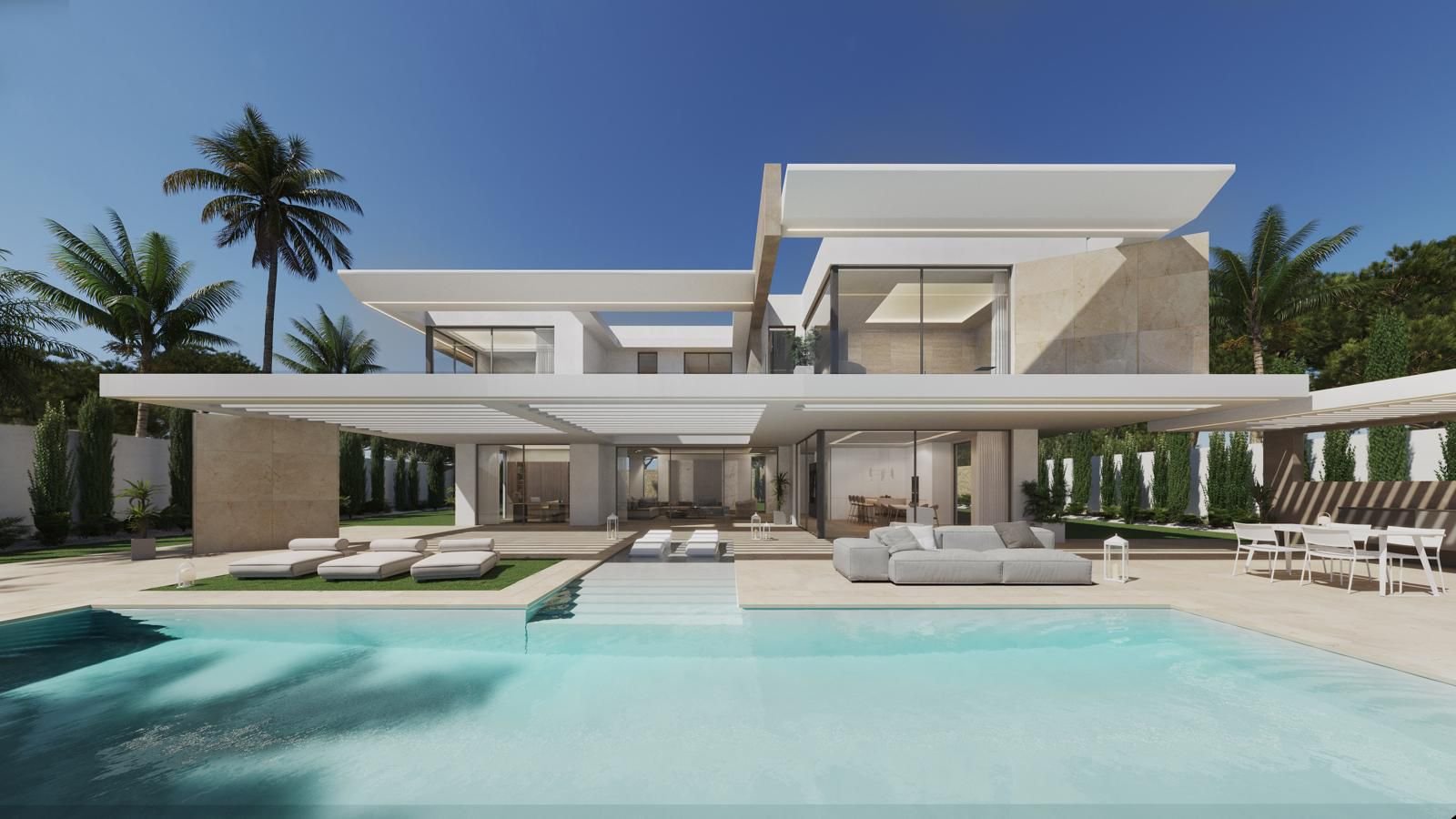
Jávea (Xàbia) is a 27,000-resident coastal town on Spain's Costa Blanca North where over 54% of inhabitants are foreign nationals from 85 countries, drawn by a microclimate offering 300+ days of sunshine, three distinct town centres, and 20 km of coastline spanning sandy beaches, turquoise coves, and 150-metre cliffs. The town punches far above its weight gastronomically — home to a two-Michelin-star restaurant and two more with one star — while retaining a working fishing port, a fortified 14th-century Gothic church, and explosive fire festivals rooted in pagan solstice traditions. Unlike overdeveloped Benidorm 40 km south, Jávea bans high-rises, never becomes a winter ghost town, and balances authentic Spanish village life with cosmopolitan international living. Each of its 15+ residential zones has a radically different character, from €320,000 family villas among pines to €10 million clifftop mansions overlooking Ibiza. The town Jávea shares: festivals, food, and famous markets Fogueres de Sant Joan (June 13–24) is Jávea's biggest festival, a solstice fire celebration centred on the old town. On the Nit dels Focs (June 23), locals leap over bonfires on the beach while enormous effigies burn in the Plaza del Convent. Over 126 peñas (neighbourhood clubs) parade through the streets, with correfocs (fire-running), bull-running through narrow alleys, and deafening mascletà firecracker displays. The Moros y Cristianos (July 14–22) fills the port with elaborate costume parades and a dramatic Moorish "landing" on Playa de la Grava — started in 1978 by the founding Filà Jalufos and now featuring over a dozen filaes on both sides. The deeply revered Fiestas del Jesús Nazareno (April–May 3) sees a candlelit procession carry the "Perpetual Mayor" image — credited with saving the town from four cholera epidemics — from the hilltop Ermita del Calvario down to San Bartolomé church and back. The port's Mare de Déu de Loreto festivities (September 1–8) include the spectacular Bous a la Mar, where bulls charge toward the open sea in a temporary harbourside arena. Jávea's gastronomic crown jewel is BonAmb (two Michelin stars since 2016), chef Alberto Ferruz's avant-garde Mediterranean restaurant in a restored Valencian finca on the Benitachell road, where foraged Montgó herbs meet ike-jime-killed fish from local boats. Tula (one Michelin star since 2019), run by Borja Susilla and Clara Puig near the Arenal, serves "new traditions" — sharing plates built around fish from the Garreta family's boat. Madre at Hotel Ritual de Terra in El Tosalet (formerly El Rodat, one Michelin star from 2017) delivers chef Nazario Cano's earth-to-table Valencian cuisine with signature rice dishes. The Lonja de Pescado (fish market) operates at the port Monday–Friday from around 5 PM, when boats return and a Dutch-style descending-price auction begins. The star catch is gamba roja de Dénia — ruby-red prawns fetching €100– 125/kg. The Mercat Municipal in the old town (Monday–Friday 8 AM–2 PM, 5– 8 PM; Saturdays 8 AM–3 PM) occupies a 1946 building with original convent arches, housing 14 stalls plus the beloved Bar El Mercat serving anchovy toasts and grilled fish. The outdoor Thursday market fills the Plaza de la Constitución with 100+ stalls of produce, ceramics, and churros.
Major walking routes include the PR-CV 355 from the port to Montgó's 753 m summit (16 km, passing the ancient Cova Tallada quarry-cave), the PR-CV 354 Granadella circular (13.6 km through 700 hectares of protected forest), and the coastal Ruta de los Miradores connecting 15 viewpoints from Arenal to Granadella. The Windmills Walk passes 11 historic molinos on the ridge between Montgó and Cabo de San Antonio.
1. ARENAL — Jávea's only sandy beach and liveliest promenade
Famous for: The 500-metre golden sand beach — Jávea's only sandy shore in a town of pebble beaches — with a palm-lined promenade named Paseo David Ferrer after the hometown tennis world #3. Blue Flag certified, with beach volleyball, water sports, and the filming location for Uncharted (2022, Tom Holland). Named establishments: La Fontana (established 1963, Jávea's first Arenal restaurant, legendary paellas), Tosca Restaurante (French-Mediterranean fusion opposite the Parador, 100+ wine list), Ammos (beachfront Mediterranean from 7:30 AM), Chabada (restaurant-by-day, cocktail-bar-by- night since 1985), La Bambula (live flamenco, swing, and Latin until 1:30 AM), Café Wien (Austrian café famous for ridiculously good pastries, packed year-round), Caffe Milano (best coffee in Jávea per locals, Italian-owned), Buddha Palace (top-rated Nepali/Indian), Tula (one Michelin star, just off the promenade). Nightlife includes La Siesta, Montgo di Bongo (mythical chill- out bars), and Octopus (cheap drinks, open late). Iconic landmarks: The Parador de Jávea (state-owned luxury hotel where Balenciaga spent his final days), Marina Nou Fontana (500-berth saltwater lagoon), the Bains de la Reina at Cala del Ministre (Roman-era bathing pools carved into rock from the 1st century BC), and the Punta del Arenal viewpoint marking the start of the clifftop trail south. The vibe: Vibrant, international, and family-friendly by day — turning into Jávea's nightlife hub after dark, with the promenade's restaurants morphing into late-night cocktail venues. Best suited for: Holiday apartment investors (summer weekly rates €1,200–2,500, yields 5–8%), families wanting steps-from-sand living, and international buyers seeking year-round beach lifestyle. Apartments from ~€180,000; penthouses to €700,000+.
2. EL PUERTO / PORT — the authentic fishing heart
Famous for: A genuine working fishing port — one of the last on the Costa Blanca not converted to designer shopping — where the daily departure and return of fishing boats anchors the neighbourhood's identity. Home to the fish auction, Moors and Christians landing, and the most festivals of any Jávea zone. Named establishments: Cala Bandida (the port's standout, designed by Jessica Bataille in 2013, chic-casual Mediterranean at the fishing marina, open 9 AM–11 PM), floor restaurant with 100+ wines and beachfront grill), Restaurante Pósit (in the former fishermen's association building on La Grava), Restaurante Azorín (family-run local
favourite — "book or miss out"), Sileno Gastrobar (fine dining), Cande (home-style paella "cooked as at a local's house"), Monsoon Thai (where Matt Damon ordered massaman curry), La Cantina (harbourside, must-book in summer). The Beach House offers rooftop cocktails until midnight. Iconic landmarks: The Iglesia de Nuestra Señora de Loreto (1967) — its concrete pillars represent a boat, its red pine interior mimics an inverted hull, winning the National Architecture Prize in 1969 and earning a 45-minute BBC documentary comparing it to Liverpool's Metropolitan Cathedral and Brasília's Cathedral. The Promenade (Paseo Joaquín Sorolla) honours the painter who first captured Jávea for the world in 1896; a life-size Sorolla sculpture with easel stands on La Grava. The Casa del Cable (1860) housed the submarine telegraph connecting mainland Spain to Ibiza and now hosts rotating exhibitions. The vibe: Authentically Spanish and less seasonal than the Arenal — the busiest spot in Jávea year-round — with a traditional fishing village soul increasingly accented by chic-casual waterfront dining. Best suited for: Year-round residents, retirees, and buyers wanting genuine character over beach convenience. Property prices lower than Arenal with steadier appreciation. The Bous a la Mar (bulls-to-sea) spectacle during September's Loreto fiestas alone makes the port unforgettable.
3. CASCO ANTIGUO / OLD TOWN — golden stone and Gothic windows
Famous for: A 16th-century walled hilltop centre built 2 km inland to protect against Berber pirates — unique for a coastal town. Constructed entirely from golden tosca stone quarried from the Cova Tallada sea cave, with Gothic civil houses featuring trefoil arch windows lining streets like Calle Major. Named establishments: Volta i Volta (Michelin Guide-featured, modern Mediterranean in a restored townhouse, weekly-changing €20 lunch menu), Casa Grau (reference-point tapas bar with famous "tortilla campeona" and ibérico jamón), La Sucrería (in the church square, hand-smoked meats), Tasca La Rebotica (traditional cuisine on the most photographed narrow street leading to the church), Da Giulia (homemade Italian at the old town's highest point), Bar El Mercat and Puesto 7 cocktail bar (both inside the covered market), Bar Llàcer (decades-old favourite for traditional cocas flatcakes). Iconic landmarks: The Iglesia-Fortaleza de San Bartolomé (built from 1304, dual fortress-church with gun openings above the doors, 30 m bell tower, National Historic-Artistic Monument since 1931), the Museo Soler Blasco (housing the "Treasure of Jávea" — 3rd-century BC gold bridal jewellery and 54 Roman gold coins found by snorkellers in 2021), and the Palau dels Sapena (civil Gothic gem on Plaza de la Iglesia). The vibe: Quiet, deeply Spanish village life punctuated by explosive festivals — the Fogueres bull-running thunders through these same narrow streets where, on ordinary mornings, elderly locals gossip over anchovy toasts at Bar El Mercat. Best suited for: Culture lovers and those wanting authentic Spain — walking to the Thursday market, the covered market, tapas bars, and the town hall. Year-round residents rather than holiday-home seekers.
Townhouses and apartments at Jávea's most accessible prices.
4. EL TOSALET — gated prestige since 1966
Famous for: Jávea's only gated and guarded community, founded in 1966 by Julia Jiménez Muro for Spain's Madrid and Bilbao elite. Features 24-hour security cameras and surveillance and a now-derelict country club (Club de Campo Tosalet) that once included an Olympic pool, tennis courts, chapel, and restaurant. Named establishments: Casa Lili (Asian restaurant and 12-room boutique hotel on Carretera del Portitxol, rated 9.6/10 on TheFork — exceptional crispy duck, Thai prawns, sushi), Madre at Hotel Ritual de Terra (formerly El Rodat, chef Nazario Cano's Michelin-calibre Mediterranean with earth-to-table philosophy, plus a public bakery/café for brunch). The Restaurante Club de Golf Jávea (rated 9.2/10 on TheFork, open daily 9 AM– 9 PM, Mediterranean menu with paella workshops) sits minutes away. Iconic landmarks: The classic tosca stone architecture with exposed wooden beams, terracotta floors, and covered naya terraces (originally riuraus for grape drying). The nearby Club de Golf Jávea offers 9 holes played as 18 (par 72, 5,950 m), driving range, pool, and Montgó views from the terrace. The vibe: Ultra-exclusive, quiet, and historically prestigious — a walled Mediterranean estate where the original Spanish bourgeoisie has been gradually joined by a multinational luxury set. Best suited for: Golfers, luxury seekers valuing security, and families wanting a gated community. Villas from ~€500,000; new-build "Cumbres del Tosalet" luxury homes to €1.65 million. Average ~€2,600/m² — less than half La Corona's price.
5. LA CORONA — Jávea's most exclusive address at €5,200/m²
Famous for: The highest residential price per square metre in Jávea's villa zones at approximately €5,200/m², driven by genuine scarcity of buildable plots on the hillside directly above the port. International demand from Germany, Switzerland, and the Netherlands ensures prices remain stable even during market downturns. Named establishments: La Corona itself is purely residential, but the Port of Jávea sits just 3 km / 5 minutes downhill with Cala Bandida, Noray, Azorín, and the yacht club all within easy reach. Iconic landmarks: The panoramic bay views are the landmark — from La Corona you see the entire Bay of Jávea, Cap Negre, Montgó, the port marina, and on clear days, Ibiza. Properties feature infinity pools that visually merge with the Mediterranean. Architecture ranges from contemporary signature villas (floating staircases, home cinemas, private spas) to Ibizan-style minimalist residences. Costa-houses Costa-houses Javeamigos Javeamigos ViaMichelin Mindtrip Mindtrip Impuls PLUS ViaMichelin Club de Golf Javea Bartolomebas Albatrossgolftours Bartolomebas Costa-houses Eurojavea Rimontgo Costa-houses Cabrerafineproperties Costa-houses Cabrerafineproperties
The vibe: Architecturally significant, ultra-private, and inhabited year-round — not a holiday compound but a genuine residential enclave where design-forward homes command the hillside. Best suited for: High-net-worth international buyers prioritising design, panoramic views, and genuine proximity to the port's year-round life. Luxury villas typically €1.5M–€4M+. The limited plot supply creates a luxury micro-market with sustained long-term appreciation.
6. PORTICHOL / PORTITXOL — Instagram's blue doors and turquoise water
Famous for: The iconic blue-doored fishermen's barracas — whitewashed huts with vivid blue doors and shutters lining the shore of Cala Portitxol, creating a scene so Greek-looking it became an Instagram sensation dubbed "La Puerta Azul de Jávea." The 900-metre pebble cove between Cap Prim and Cap Negre offers some of the Costa Blanca's best diving and snorkelling, with Portitxol Island 300 m offshore (where 53 Roman gold coins were discovered in 2021). Named establishments: Cala Clémence del Portitxol (upscale bohemian beachfront restaurant with fairy lights and palms, live music on Sunday revival parties, reservation system in summer, sunrise views over the bay), Bar La Barraca (traditional casual beach bar). The Xàbia International College (XIC) — a British curriculum school for 250 pupils from 20+ nationalities — is located on Carretera del Portitxol (note: this is XIC, not Lady Elizabeth School, which is in Cumbre del Sol). Iconic landmarks: Mirador Cruz del Portixol (stone cross viewpoint with panoramic views), Cap Prim hike (easy walk to cliff ledge overlooking Montgó and the island), and guided kayak excursions to the island's hidden "Eye of Portitxol" natural cave and blue lagoon. The hiking routes SL-CV 97 and 98 offer a circular coastal trail from the cross viewpoint through pristine Mediterranean forest. The vibe: A bohemian-luxury blend where Instagram-famous blue doors, fairy-lit beachfront dining, and serious diving culture coexist with prestigious clifftop villas — described as "the jewel in the crown of Jávea's high standing." Best suited for: Families with children at XIC, water sports enthusiasts, luxury buyers wanting frontline character homes, and holiday rental investors capitalising on the cove's fame. Traditional villas from ~€295,000; ultra-luxury modern frontline properties €3–5M+.
7. BALCÓN AL MAR — 100 metres above the sea, with Ibiza on the horizon
Famous for: A clifftop residential urbanisation perched 100 metres above sea level on the cliffs of Cabo de la Nao, originally developed by the prestigious Grupo VAPF in the 1970s–80s. The name means "Balcony to the Sea" — and the views deliver, with Ibiza visible on clear days across 90 km of Mediterranean. Costa-houses Costa-houses Siesta Advisor Siesta Advisor Marinalia MG Villas Siesta Advisor Siesta Advisor Siesta Advisor NABSS Valuvillas Siesta Advisor MG Villas Siesta Advisor Wikiloc Moraguespons Tripadvisor Blanca International Costa-houses Blanca International Costa-houses Blanca International
Named establishments: Restaurante Mirador de Jávea (clifftop dining with panoramic views toward Peñón de Ifach), Restaurant La Guardia, Restaurante Trencall, Restaurante Azahar, and a small commercial centre at the urbanisation entrance with a supermarket (Wimark), pharmacy, and the charming Hostal Balcón al Mar (11-room guesthouse). Hacienda Felicidad winery in nearby Costa Nova offers vineyard visits. Iconic landmarks: The Cabo de la Nao lighthouse (built 1928, 20 m tower, 122 m above sea level, first in Spain with an acetylene rotation system) and the adjacent viewpoint are a 4-minute drive. The Cova dels Orguens (Cave of the Organs) — one of Spain's largest sea caves with cathedral-like stalactite organ pipes — lies 150 m below the lighthouse, accessible only by guided kayak. The vibe: Peaceful, elevated, and dramatically positioned — one of Jávea's quietest residential areas, where fresh breezes at altitude and abundant Mediterranean vegetation create a contemplative clifftop retreat. Best suited for: Retirees seeking quiet, flat plots with spectacular views (very popular with this demographic), luxury buyers, and investors in the strong holiday rental market. Older VAPF villas from ~€300,000 offer renovation potential; ultra-luxury modern builds reach €8 million.
8. GRANADELLA / CAP MARTÍ — dining on Spain's most beautiful beach
Famous for: Cala Granadella, voted Spain's best beach by Antena 3 TV for two consecutive years, named best beach in the Comunidad Valenciana by National Geographic (2025), and holding Blue Flag status continuously since 1989. A 160-metre sheltered pebble cove surrounded by 100-metre cliffs with crystal-clear turquoise water. Bruce Willis filmed The Cold Light of Day here; locals were cast as extras. Named establishments: Three restaurants operate right on the beach. Restaurante Sur (three-generation Estalrich family business with their own fishing boat and family garden, TripAdvisor Travellers' Choice 2024 — the gold standard for arroz a banda). La Bandideta (Grupo Calabandida's trendy pink-themed beach bar with wood-fired pizza and cocktails from 9 AM). Llebeig (traditional local favourite named after the Valencian wind, Valencian paellas under trimmed pines). Cap Martí's local amenities include the Saladra supermarket (open 7 days) and Saladra Laid Back Hotel. Iconic landmarks: The Castell de la Granadella (1739 horseshoe-shaped coastal fortress, BIC-listed since 1996, Jávea's southernmost point), accessed via a 3 km trail with chains for handholds and cliff- edge wooden railings. The parking situation is legendary — 200 spaces maximum, road closures in July–August when full, with a shuttle bus from La Guardia Park. Arrive before 9 AM or accept a 25- minute uphill walk. The vibe: A premium natural sanctuary — no hotels, no development, just turquoise water, cliff-sheltered dining, and kayak excursions to hidden sea caves — where luxury is measured in unspoiled beauty rather than Muebe Moraguespons Vivehotels Muebe Olea Home Siesta Advisor Marinalia Olea Home +2 Tripadvisor Tripadvisor Blanca International Costa-houses Blanca International Blanca International Costa-houses Costa-houses Javeamigos Siesta Advisor Siesta Advisor Siesta Advisor MumAbroad Restaurantesur Labandideta Dimorajavea Rimontgo 123javeavillas Javeamigos
ostentation. Best suited for: Nature lovers and premium coastal lifestyle seekers. Cap Martí villas (near XIC school and the Arenal) range from ~€295,000 to €750,000+. The most exclusive road in the entire Valencian Community — Pic Tort, overlooking Granadella — has an average house price of €3,080,409.
9. MONTGÓ / CASTELLANS / LA ERMITA — living inside a natural park
Famous for: The slopes of the Montgó massif (753 m), a Natural Park since 1987 that locals call "the sleeping elephant." Home to 600+ plant species (one of the Western Mediterranean's most important botanical sites), Bonelli's eagles, and the summit with 360° views to Ibiza, Cullera, and Calpe's Peñón de Ifach. The residential zone Castellans is described as "one of the most exclusive and quiet areas of Jávea." Named establishments: Restaurante Amanecer (at the foot of Montgó on the Cabo San Antonio road, celebrating 50+ years, Mediterranean cuisine with chill-out terrace and pool, capacity 180). The nearby Jesús Pobre Sunday market under a traditional riurau (Valencian grape-drying structure) is a beloved local ritual. La Sella Golf & Spa (27 holes, 5-star Marriott hotel) is minutes from the Ermita zone. Iconic landmarks: The Cova Tallada — a vast sea cave at Cabo de San Antonio's base, quarried for tosca stone since at least the 12th century (the stone that built San Bartolomé church). Access is regulated June–September with mandatory online reservation. The Cabo de San Antonio lighthouse and Marine Reserve, plus the ridge walk past 11 historic windmills (17th-century), make this zone an outdoors paradise. The summit route (PR-CV 355, 3.87 km, HIGH difficulty) involves a final scramble along a limestone ridge. The vibe: Rural, peaceful, and nature-immersed — large south-facing fincas and villas on 1,000–3,000 m² plots sheltered from north winds by the Montgó itself, offering "the peace of the countryside with proximity to the old town" (5–10 minutes by car). Best suited for: Nature lovers, hikers, those wanting privacy and space on large plots with mountain and valley views. Properties from ~€495,000, with luxury villas significantly more. Car-dependent but deeply rewarding for the right buyer.
10. CABO DE LA NAO / CAP DE LA NAU — the dramatic edge of the mainland
Famous for: The easternmost point of Alicante province, where vertiginous limestone cliffs plunge 150+ metres into the Mediterranean and — on clear days — Ibiza shimmers on the horizon 85 km away. The cape divides the Gulf of Valencia (north) from the Gulf of Alicante (south), creating two entirely different coastal characters. Dimorajavea 123javeavillas MumAbroad My Costa Blanca My Costa Blanca My Costa Blanca Move to Traveling Coldwell Banker Familyhomesrentals Costa-houses Costa-houses Minube Minube Olea Home
Named establishments: Restaurante Cap de la Nau (clifftop dining with breathtaking panoramic views, rated 4.3/5, specialising in creative paella and fideuá), Restaurante El Mirador (25+ years on the cliff edge, signature arroz de percebes — barnacle rice — with views south to Peñón de Ifach). Iconic landmarks: The Faro del Cabo de la Nao (1928, octagonal 20 m tower, 122 m above sea level, light visible for 23 nautical miles — the first Spanish lighthouse with acetylene rotation). Below, the Cova dels Orguens contains stalactite "organ pipes" in a cathedral-like sea cave accessible only by kayak. Nearby Cala Ambolo (currently closed to land access due to rockfall, kayak-only) was a renowned naturist beach with tropical-white sand. The tiny secret Cala en Caló and the clifftop Mirador de Ambolo offer hidden experiences for the adventurous. The vibe: Wild, dramatic, and geological — the cape feels like the edge of the world, where raw natural power meets sophisticated clifftop dining with Ibiza floating on the horizon. Best suited for: Buyers prioritising dramatic scenery, cliff-edge positions, and proximity to natural wonders (caves, coves, world-class diving). Strong holiday rental demand. Properties from ~€700,000 for renovation projects; modernised luxury homes easily exceed €1.5 million.
11. LES CANSALADES / MONTE OLIMPO — Jávea's newest luxury address
Famous for: Monte Olimpo is "one of the newest urbanisations in Jávea," developed over the past 6+ years by Miralbo Urbana with cutting-edge infrastructure: underground cabling, central gas, LED-lit bicycle lanes, and landscaped roundabouts. The nearby Calle Franz Joseph Haydn is the most expensive street in the entire Valencian Community, with average asking prices of €3.4 million. Named establishments: Restaurant El Campo (French-Mediterranean-Thai fusion at Camino de les Cansalades 134, part of Boutique Hotel La Casita — a chilled country experience 5 km from Arenal), Little Bali Javea (TripAdvisor's #1 specialty B&B in the area), and Parque de Les Cansalades (large recreational park with playgrounds, BBQ areas, ping-pong, and kiosk, open daily with caretaker). Iconic landmarks: The exclusively modern architecture itself — named villa projects like Villa Centauro (futuristic design), Villa High (521 m² over 3 levels), and Villa Posidonia (Ibizan style) represent a new generation of Jávea luxury. The park offers 180° panoramic views of the Mediterranean, Montgó, and Benitachell valley. The vibe: Exclusive, modern, and architecturally ambitious — a purpose-built luxury neighbourhood where contemporary designer homes with infinity pools and glass façades sit on 1,000–2,000 m² plots surrounded by nature parks and vineyards. Best suited for: High-net-worth international buyers wanting modern new-build homes, families (10 minutes to Lady Elizabeth School, 5 minutes to Arenal), and golf enthusiasts (2 km to the club). Prices from ~€795,000 to €3.85 million. Morairaonline24 Mindtrip The Stay Residences LinkAlicante Costa-houses Olea Home LinkAlicante Spain Holiday Moraguespons Laboutique-realestate Holidaydream-spain-properties Monteolimpo Agendadeisa Alicante Diferente Holidaydream-spain-properties Costa-houses Holidaydream-spain-properties Medvilla Spanje Grupo Garcia Costa-houses
12. EL RAFALET — the insider's value play near the golf course
Famous for: Being Jávea's most undervalued residential area — properties "often fall below the average market price, with strong potential for future value growth" per local analysts. Located just 1.5 km from Club de Golf Jávea on an elevated hillside between Jávea and Benitachell, with what locals describe as "probably the best panoramic views in Jávea, together with the Montgó area." Named establishments: No restaurants within the urbanisation itself, but the Restaurante Club de Golf Jávea (rated 9.2/10, Mediterranean menu del día praised for value) is a 2–5 minute drive. Restaurante Masena (fine dining finca on the Jávea-Benitachell road) and a Mas y Mas supermarket are close by. Iconic landmarks: The views are the landmark — stunning panoramas spanning Benitachell village and church (particularly spectacular during village fiestas with fireworks visible from terraces), Montgó mountain, the Jávea valley, and dramatic sunsets to the southwest. Modern infrastructure with LED street lighting and upgraded pavements signal ongoing investment. The vibe: Tranquil, well-kept, and quietly improving — an established residential neighbourhood where year- round families and retirees enjoy large plots (1,000 m²+) with private pools and sweeping views, without the premium of neighbouring Tosalet. Best suited for: Value-seeking families, retirees, and keen golfers wanting space and views at a fraction of Tosalet's prices. Villas from ~€320,000 (3-bed with pool) to ~€600,000 for 4–5 beds — compared to Tosalet's €500,000 entry point and La Corona's €1.5 million floor.
13. PIVER / PINOSOL — pine-scented family life with artistic streets
Famous for: The Aleppo pine forest canopy that gives these areas their character — Pinosol literally means "pine sun." Streets are named after famous painters (Calle Paul Gauguin, Calle Cézanne, Calle Jan Vermeer, Calle Henry Matisse), lending a cultural flavour. The devastating September 2016 wildfire — likely arson — burned 800+ hectares and destroyed 20+ homes, evacuating over 1,000 residents from Pinosol, Tosalet, and Cansalades. Recovery is visible: local artist Miguel Ángel Miguel García carved 20 tree-trunk sculptures from the burnt pine stumps in Pinosol Park, transforming devastation into memorial art. Named establishments: Pinosol Park (9.6 acres, two playgrounds, BBQ areas, ping-pong, and those 20 sculptures — hugely popular with Spanish families for weekend gatherings), Kiosko Pinosol (casual restaurant/bar in the park), Restaurante Rossini, Bacchus, and Grandcafe Flo nearby. The Aparthotel Pinosol (4-star, 51 apartments, 3 pools) anchors the area. Iconic landmarks: The park's burnt-tree sculptures are uniquely moving. Upper Pinosol connects directly to the Granadella Natural Park, offering immediate hiking access. Piver is one of Jávea's most recently urbanised areas, with wide streets, underground infrastructure, and modern passive-house builds alongside traditional Mediterranean villas. Eurojavea 123javeavillas Villa Lux Villa Lux Atina Inmobiliaria Casaconnections elrafalet bartolomebas 123javeavillas Wikipedia The Local MyPacer MumAbroad Wanderboat AI Quierohotel
The vibe: Peaceful, green, cosmopolitan, and family-oriented — where pine-shaded plots, artistic street names, and proximity to both Arenal (5 minutes) and Granadella create a neighbourhood that feels immersed in nature while being central to everything. Best suited for: Families wanting space among nature near international schools (XIC and Lady Elizabeth both ~10 minutes), retirees seeking tranquillity, and those wanting the Arenal lifestyle without Arenal prices. Pinosol averages ~€300,000 for single-storey homes; Piver's new builds from ~€995,000 reflect its more modern, higher-end positioning.
14. COSTA NOVA / PANORAMA — the quiet clifftop with renovation gold
Famous for: A residential zone between Cap de la Nau and the Benitachell border where "practically all plots are flat" — unusual for Jávea's clifftop areas — with panoramic views of the Bay of Jávea, Montgó, and Cabo San Antonio. Costa Nova is where "famous sportsmen, actors, and presenters buy their luxury villa to go unnoticed," according to local agents. Technically still within Jávea municipality. Named establishments: A handful of workers' bar-restaurants offering honest menu del día serve the area, alongside Restaurante Cabo la Nao (near the lighthouse). Costa Nova is not a dining destination — its appeal is residential privacy. The Hacienda Felicidad winery on Calle Picardo offers vineyard visits. Iconic landmarks: The dramatic cliff coastline below drops toward Cova dels Orguens and the hidden coves of Cala Ambolo and Cala en Caló. Properties connect to Jávea's network of clifftop Miradores (viewpoints). The real landmark is the renovation opportunity — classic 1970s–2000s Mediterranean villas in prime positions are being transformed into contemporary luxury homes, with marketing claims of 26–32% ROI in 12– 18 months. The vibe: Private, understated, and exclusive — an organic villa neighbourhood (not a managed development) where the appeal is dramatic elevation, flat plots, and total discretion, minutes from Granadella and Cap de la Nau. Best suited for: Privacy-seekers, renovation investors, and high-net-worth buyers wanting an exclusive address without resort-style community living. Classic villas from ~€650,000; signature clifftop mansions exceed €10 million.
15. CUMBRE DEL SOL — the self-contained hilltop world
Famous for: A 3.7-million-square-metre planned urbanisation in Benitachell (not technically Jávea), developed since the 1980s by Grupo VAPF (founded 1963, 8,000+ homes built across the Costa Blanca). Contains 13 named residential zones (Adelfas through Palmeras), the Lady Elizabeth International School (Forbes' Best Schools 2025, 1,300 pupils, British curriculum ages 2–18), and direct access to Cala del Moraig — a Blue Flag pebble cove with the extraordinary Cova dels Arcs (natural sea arches carved over 60,000 years, serving as the exit for Spain's longest underground watercourse). 123javeavillas
Named establishments: Restaurante La Cumbre (family-run Mediterranean with pool and cliff views, ranked #3 in Benitachell on TripAdvisor), La Vista Cumbre (rated 4.8/5, Sunday roasts and tapas by the padel courts), Acantilados (charcoal-grilled meats, menu del día from €12.50), Pure Kitchen (healthy/vegan), Restaurante Cañada del Sol (Peruvian-influenced, at the equestrian centre), MESA Benitachell (experiential dining at the development entrance). The Adelfas Shopping Centre houses Pepe La Sal supermarket (700 m², open 365 days), pharmacy, medical centre, and wellness spa. Sports facilities include North Costa Blanca Padel Club and Cañada del Sol Equestrian Centre. Iconic landmarks: The Ruta de los Acantilados (SL-CV 50) — a 5.5 km circular clifftop walk rated 4.5/5 on AllTrails, passing 100-metre limestone cliffs, the climbing wall at Morro Falquí, hidden Cala Llebeig (with 19th-century fishermen's cave shelters), and the Falla del Moraig geological fault. The Cova dels Arcs at the end of Moraig beach is a natural masterpiece. The development was the finish line of Stage 9, La Vuelta a España 2015. The vibe: Resort-like but residential — a self-contained international community of Dutch, British, German, French, and Scandinavian residents enjoying managed amenities, communal pools, and a school on their doorstep, with the trade-off of car dependency and 15–20 minutes to Jávea's centre. Best suited for: Holiday home seekers wanting turnkey Mediterranean living, retirees preferring on-site amenities and community, international families drawn by Lady Elizabeth School, and investors in both new- build (VAPF) and resale markets. The full property spectrum is available — apartments, townhouses, villas, custom-build plots — from more accessible price points than Jávea's premium villa zones. Key caveat: Multiple residents note limited dining, steep roads, seasonal quietness, and total car dependency as the development's main drawbacks. What separates Jávea from everywhere else on the Costa Blanca Jávea's defining quality is range without compromise. Within a 15-minute drive, you move from a 16th- century fortified church built to repel Barbary pirates to a two-Michelin-star restaurant foraging herbs from a natural park to a sea cave with 40-metre stalactite organ pipes accessible only by kayak. The town sustains a working fish auction alongside Instagram-famous blue doors, a bull-running festival alongside a Michelin- starred kitchen run by a self-taught chef honouring his grandmother. No single Costa Blanca town matches this combination of natural drama, gastronomic depth, cultural authenticity, and residential diversity — which is precisely why 85 nationalities have chosen to call it home.